
Common Small Business Tax Pitfalls and How to Avoid Them in the Philippines

Tax compliance can be time-consuming for small Philippine businesses. Small company owners face tax challenges, risking hefty fines if not handled properly. This guide provides helpful tips and practical advice, assisting small firms in navigating the country's intricate tax landscape.
Major Tax Requirements for Small Businesses in the Philippines
Does running a business smoothly matter? Yes - grasping tax rules is key! Without understanding taxes, you risk legal trouble. Know the vital tax requirements to stay on track in the Philippines. Compliance avoids messy complications. Here are some key tax obligations you need to be aware of:
Business Registration and Tax Identification Numbers
You must sign up your company with the proper government departments before you begin working. This means getting a Tax ID Number from the Bureau of Internal Revenue and completing registration to obtain other crucial permits and licenses.
Income Tax
Income tax must get paid by small firms in the Philippines. The tax rate changes. It depends on the business type and income. Take sole proprietorships and partnerships: these have graduated income tax rates. But corporations get taxed at a flat rate.
Value-Added Tax (VAT)
If a business makes over 3,000,000P yearly, it has to sign up for Value-Added Tax (VAT). This means it must charge 12% VAT on all goods and services sold. Additionally, VAT returns need filing and payment every three months.
Withholding Tax
Most small businesses must withhold specific taxes for employees, suppliers, and others. Namely, they retain income taxes from worker paychecks. They then transfer these funds to the BIR. Small firms handle this important duty diligently.
Documentary Stamp Tax
Hey there! Ever heard of a Documentary Stamp Tax? You see, some business shenanigans like issuing receipts, invoices, or loan agreements could be subject to this funky tax. Small business owners gotta stay on their toes and ensure they're following the rules - ain't nobody got time for penalties!
Local Business Taxes
Here's another doozy: depending on where your biz is located, you might need to cough up some local business taxes. Yup, that's right - cities and municipalities sometimes want a slice of the pie if you're operating within their turf.
Common Tax Pitfalls for Small Businesses in the Philippines
Many small business owners face various tax issues. Here are some common tax pitfalls Filipino entrepreneurs should know:
Failure to Register with the BIR
A big mistake is not registering with the BIR. Or not getting required permits and licenses. This can lead to penalties and legal problems.
Incorrect Tax Computation or Filing
Errors in calculating taxes or filing returns wrongly? It may cause underpaying or overpaying taxes. The BIR could fine you for mistakes.
Late or Missed Tax Payments
Missing tax due dates or failing to pay on time leads to interest charges, penalties, and possible legal action from the tax authority.
Poor Record-keeping
Poor record-keeping makes it hard to figure out tax debts and file returns correctly. Small firms need proper accounting books and supporting documents.
Misclassification of Employees or Independent Contractors
Mistakes occur when labeling workers. If workers are misclassified, with employees treated as contractors, penalties arise. This non-compliance means tax withholding and remittance rules were violated.
Lack of Awareness of Tax Laws and Regulations
Philippine tax laws continually evolve, creating challenges. Small business owners struggle keeping updated knowledge. Unintentional non-compliance results from this lack of awareness regarding the latest requirements.
How to Avoid Small Business Tax Issues in the Philippines
Small entrepreneurs in the Philippines should follow these guidelines to sidestep the tax snags mentioned earlier:
Register Your Business Properly
Verify your enterprise is suitably enlisted with the BIR and pertinent government bodies. Procuring all mandatory permits and licenses before commencing operations is crucial.
Maintain Accurate and Up-to-Date Record-keeping
Setting up a solid record-keeping method is crucial. It allows you to track financial movements, like income and costs, keeping supporting paperwork handy. Consider investing in accounting software or hiring a professional accountant. This will enhance your bookkeeping accuracy.
Stay Informed about Tax Laws and Regulations
Constantly learn about tax rules to prevent penalties. Frequently visit the BIR website, attend seminars, or consult tax professionals. Staying informed is key to adhering to regulations.
File and Pay Taxes on Time
Don't be late. Pay taxes when due. Missing the deadline leads to penalties and interest charges. Set reminders and have a process ready. Late or missed payments are costly mistakes.
Seek Professional Assistance When Needed
When taxes get complex, get expert help. If you're unsure, don't guess. Hire a tax pro or accountant. Their knowledge ensures compliance. It prevents pricey errors.
Implement Proper Employee Classification
Know who's an employee or contractor. Withhold taxes correctly for each type. Follow the right rules for withholding and remitting. Proper classification is crucial.
Leverage Technology and Automation
Embrace online tools, computer programs for accounting, and tech marvels. Simplify tax duties, minimize mistakes, and boost productivity through digital automation.
Tax Penalties to Avoid
Following tax regulations is essential for small Philippine businesses. Failure to comply leads to penalties and sanctions. To prevent these consequences, be mindful of these common tax penalties:
- Late Payment Penalties: Can't pay taxes by the due date? You may face additional charges and penalties - 25% of the outstanding tax amount, depending on the delay duration.
- Failure to File Penalties: Not filing tax returns on time results in penalties ranging from 1,000P to 50,000P. Penalty varies based on tax return type and delay length.
- Fraud and Tax Evasion Penalties: Taxes evaded or false details given deliberately? Severe fines, jail time, or both penalties can occur for fraud and tax evasion.
- Failure to Register or Obtain Permits: Business not registered properly? No permits obtained? Authorities may close your company; you face penalties for failing to register or get permits.
Tax laws are crucial. You should follow them carefully. If not, you could face penalties. For accurate record-keeping, keep track of regulations. File and pay taxes on time to avoid issues. Seeking expert advice when needed is also wise.
Upgrade Productivity and Streamline with Juan
Tax rules and bookkeeping are hard for small businesses. They have lots to do. Jaz is a platform on the cloud. It helps businesses work better. It makes them more productive. It also ensures they follow tax laws.
With Juan, you can:
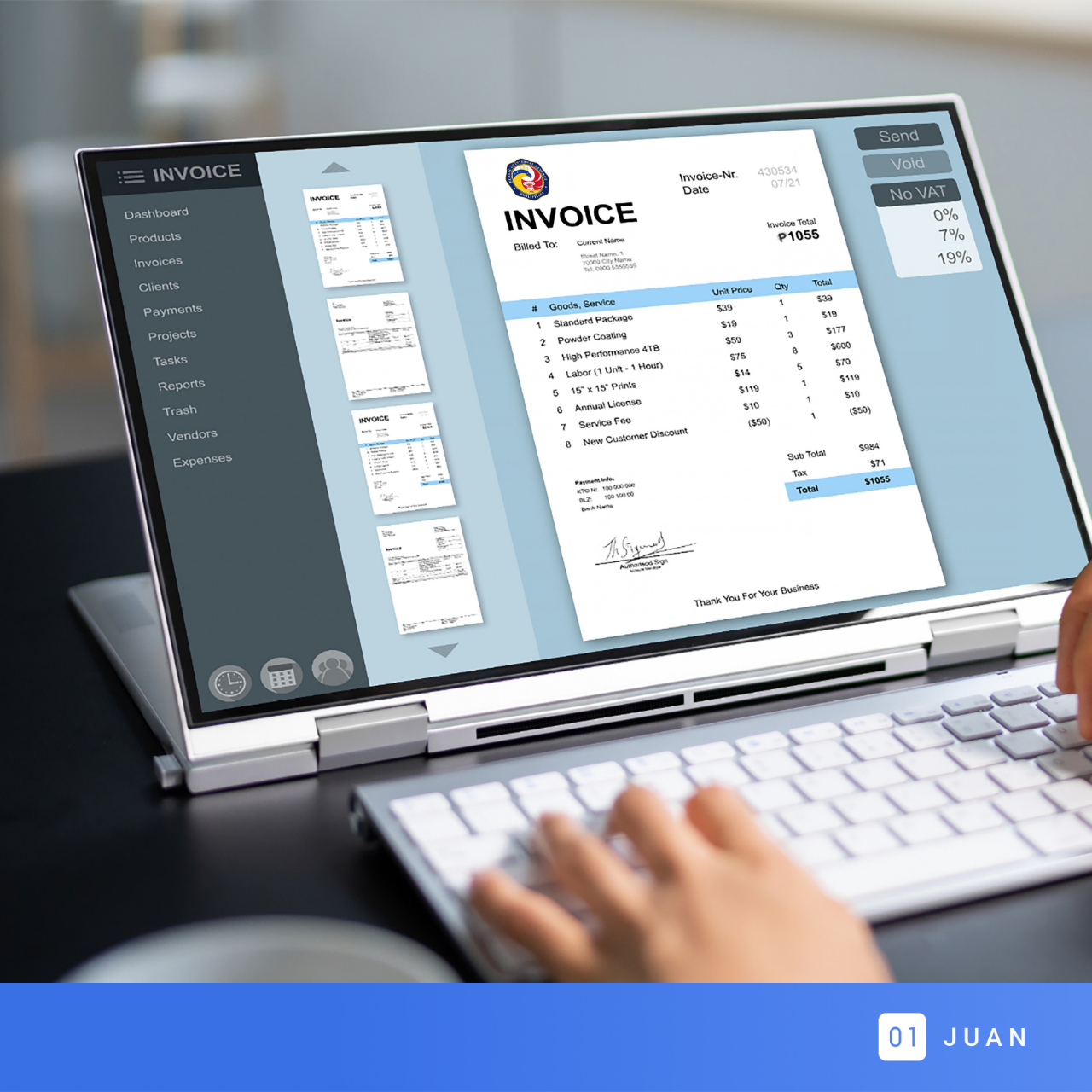
- Generate Professional Invoices: Juan can easily create professional invoices with a few clicks, ensuring accurate records and tax law compliance.
- Automate Accounting Processes: Automated features track expenses, manage payroll, generate reports - saving time, reducing errors in accounting processes.
- Stay Compliant with Tax Requirements: Stay current with tax requirements using Juan's compliance tools to file, pay taxes on time, avoiding penalties.
- Access Real-Time Financial Data: Real-time financial data access through Juan's cloud platform gives insights into business performance for informed decisions.
- Collaborate and Streamline Processes: Collaborate with team, clients, partners streamlining communication, processes, boosting overall efficiency with Juan's integrated tools.
Juan provides a comprehensive accounting package, simplifying intricate tasks. It excels at automation - invoicing, bill payments, bank reconciliations, and more. Streamlining complex processes lets you concentrate on business growth and client service. Juan, an accounting powerhouse, handles the accounting complexities so you don't have to.
Begin your journey today, gratis. Command your financial operations using Juan - regain control.
Frequently Asked Questions (FAQs)
1. What are some common tax pitfalls faced by small businesses in the Philippines?
Staying on top of tax compliance can be tricky for smaller operations. Proper bookkeeping, cash flow management, and grasping filing requirements are common hurdles.
2. How can online sellers ensure they stay compliant with Philippine tax laws?
Online sellers must accurately track sales earnings. Issuing receipts/invoices is a must. Reporting income to the BIR ensures full compliance.
3. What are the common challenges for small businesses when it comes to tax compliance in the Philippines?
For small firms, understanding regulations proves difficult. Meeting deadlines can be problematic. Precisely reporting income and expenses requires diligence.
.png)